Posted:
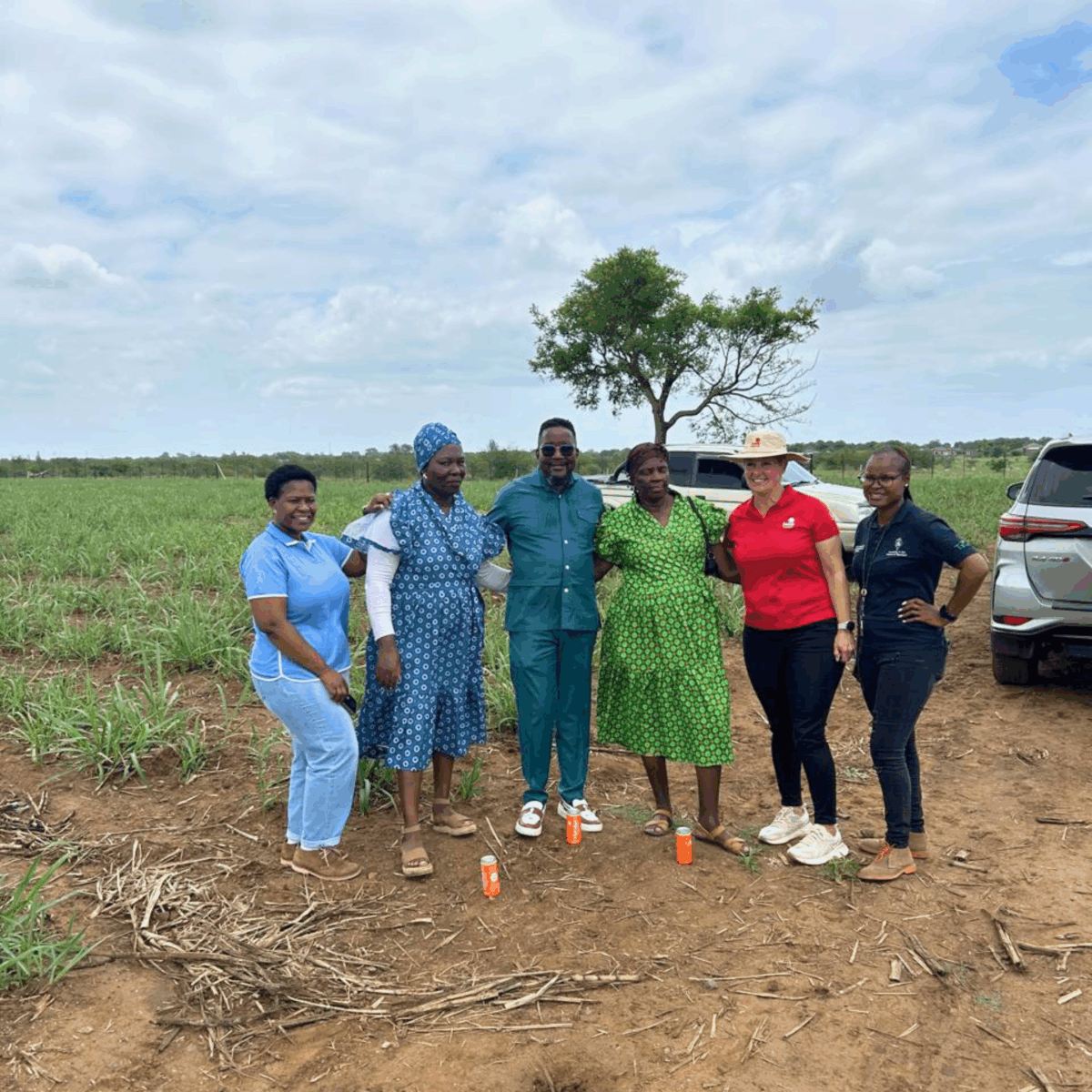
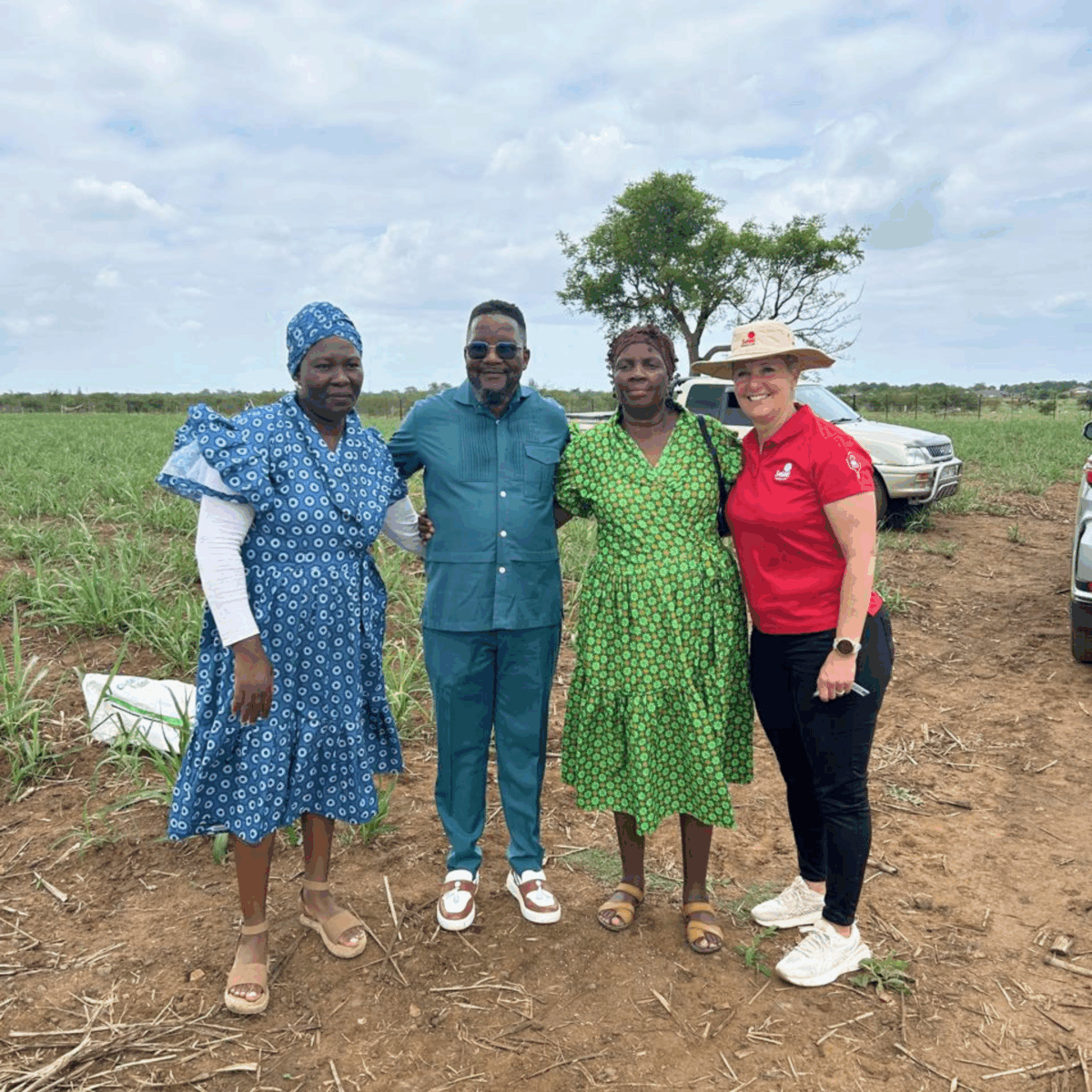
From 45 hectares to a thriving enterprise: the women growing a stronger future
In 1987, 52 women in Mangweni, Mpumalanga, faced a challenge that would have been easy to accept as their reality. They were unemployed, without land and struggling to provide for their families, while many of their children were experiencing malnutrition.
Instead, they asked a different question: what could they build if they were given an opportunity? The answer began with 45 hectares of land.
Granted to the women by the Lugedlane Chief, the land gave them somewhere to start. They began by growing vegetables and selling them within their community, creating an income and helping put food on their tables. Then, they thought bigger.
In 1992, the Phaphamani Women’s Club moved into sugarcane farming, starting with just seven hectares. Over time, they expanded to 23 hectares. But for more than three decades, 22 hectares of their land remained unused because they lacked the irrigation infrastructure needed to farm it effectively.
Their ambition hadn’t disappeared. The opportunity simply needed the right support to unlock its potential.
Turning potential into progress
Through the intervention of TsGro Extension (a 50/50 Joint Venture between RCL FOODS and our small-scale growers) and its partners, the women received training in governance and farming practices, while experts helped redesign their irrigation system so that water could reach every part of their land.
Financial support provided another important piece of the puzzle, including a R450,000 Jobs Fund grant and a R1 million loan from Akwandze Agricultural Finance (a 50/50 Joint Venture between RCL FOODS and our small-scale growers).
With the resources, knowledge and infrastructure they needed, the women were able to put their plans into action. The 22 hectares that had sat unused for decades were brought back into production, taking the farm to its full 45-hectare potential. And the results speak for themselves.
By 2025, yields had reached 105 tons per hectare, transforming what had once been a struggling farming initiative into a thriving agricultural enterprise. But the biggest measure of success isn’t found only in the fields.
Growing more than sugarcane
Today, the Phaphamani Women’s Club employs five permanent workers and provides seasonal employment for up to 20 people from their community.
For the women themselves, the impact is just as tangible. Their dividends have increased six-fold each, representing not just an increase in income, but the independence they have worked to build over decades.
What started as a group of women looking for a way to feed their families has become a sustainable agricultural enterprise creating opportunities for others. And that is perhaps what makes the story of the Phaphamani Women’s Club so powerful.
These women didn’t simply make use of the land they were given. They saw its potential, stayed committed through years of setbacks and built something that continues to create value for their families and their community.
This Women’s Month, we celebrate the Phaphamani Women’s Club as part of our #StrongHer campaign. Because when women have the opportunity to grow, the impact can reach far beyond what they plant in the ground. They grew a farm. They grew livelihoods. And, together, they grew a stronger future.